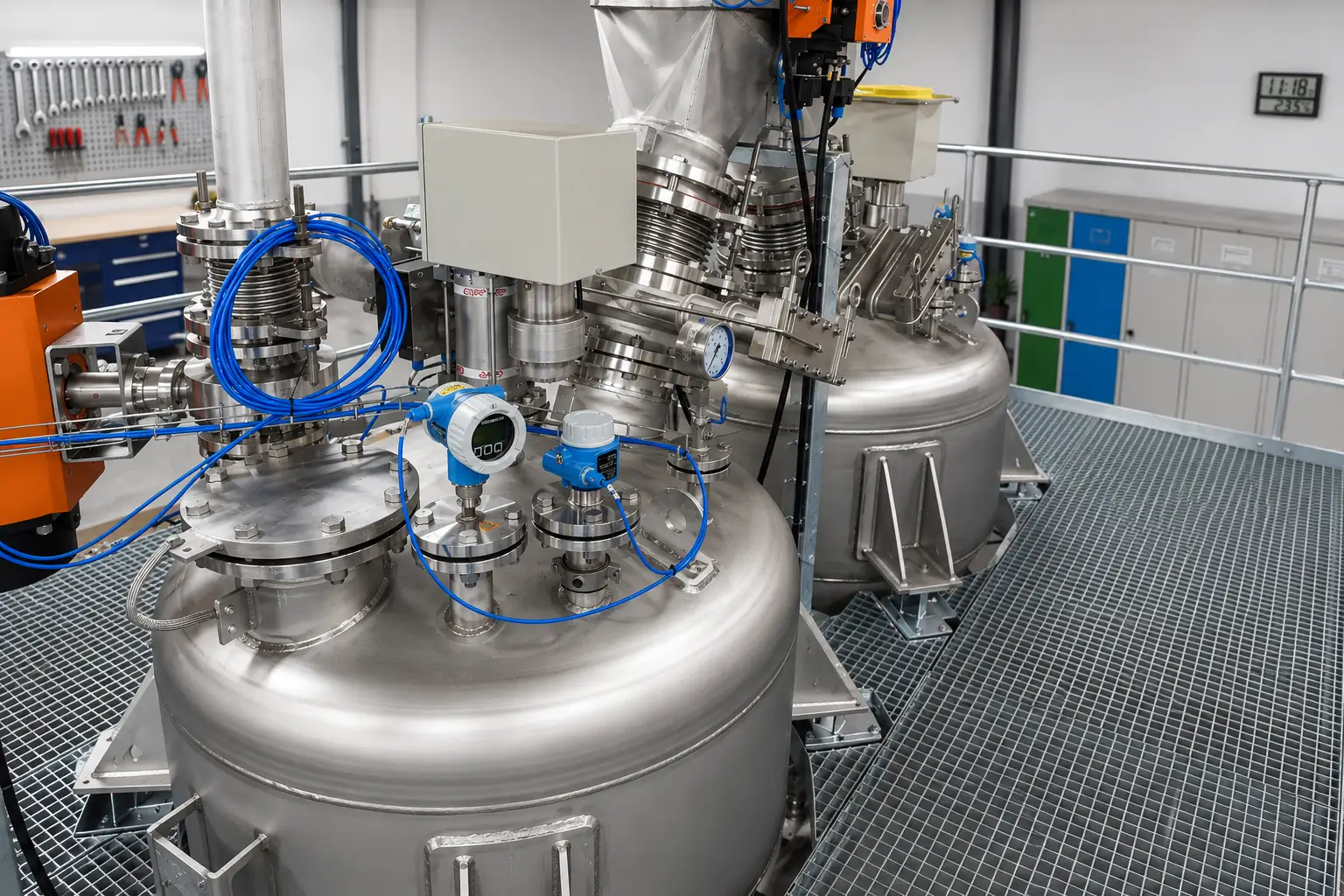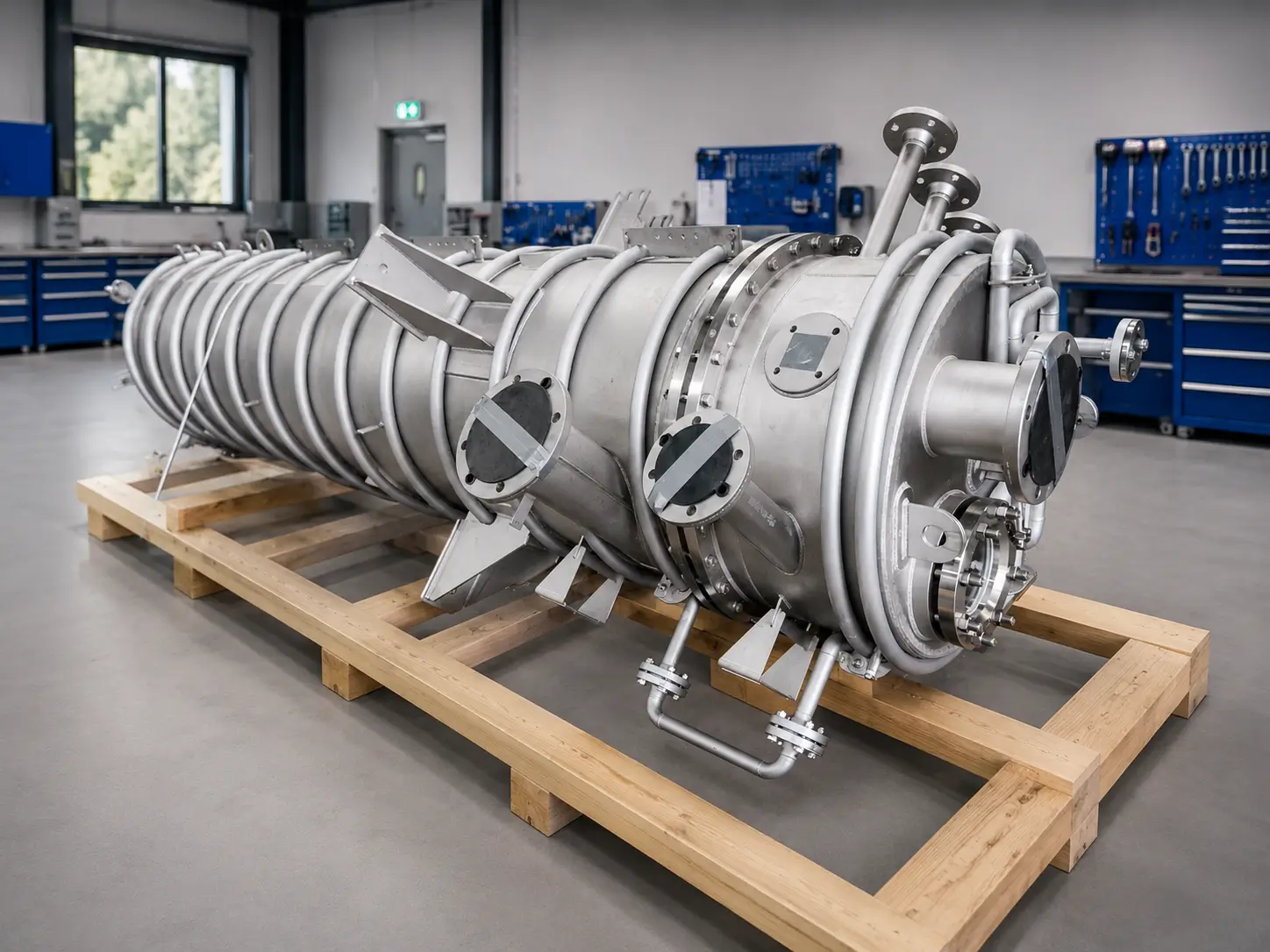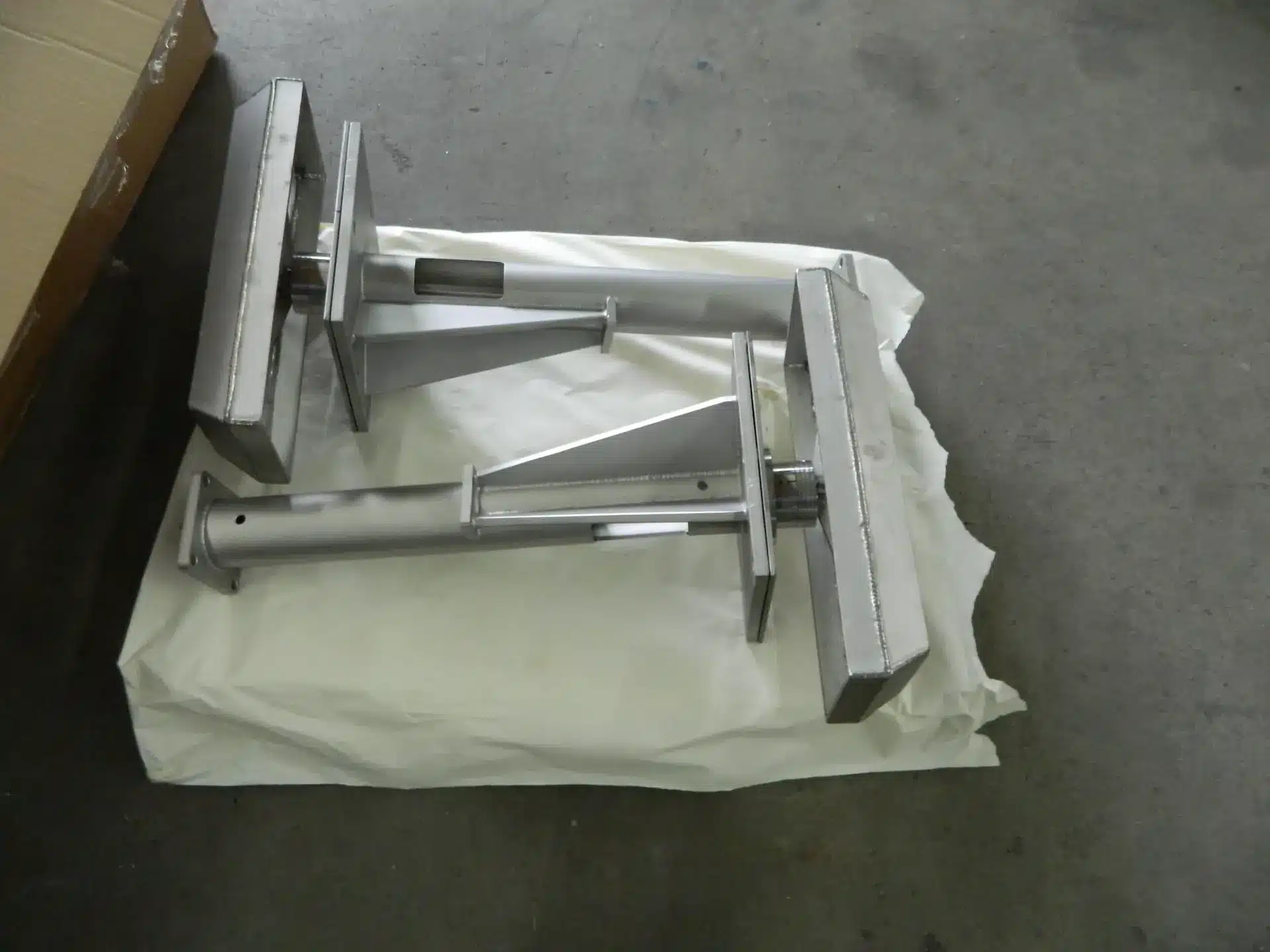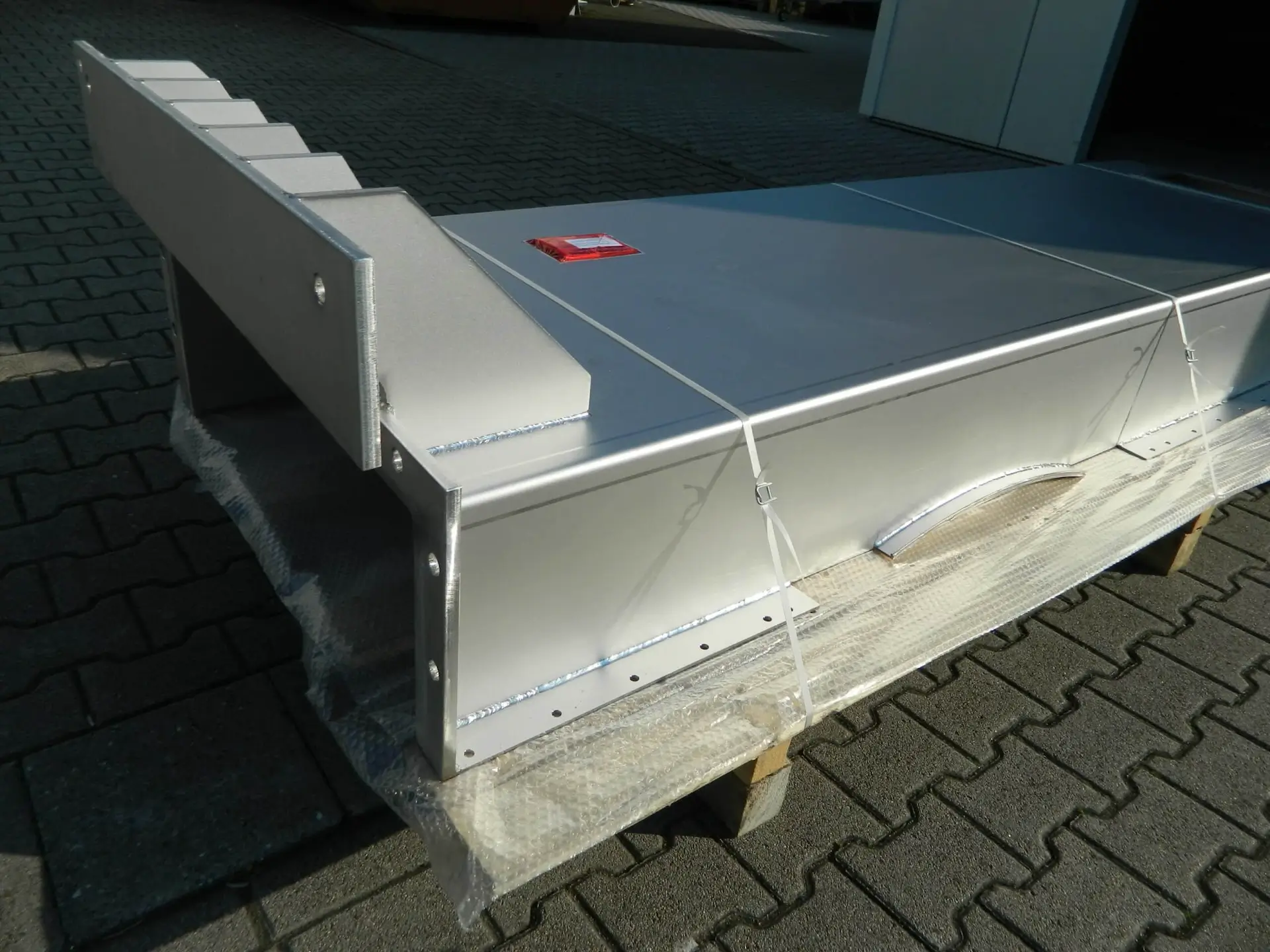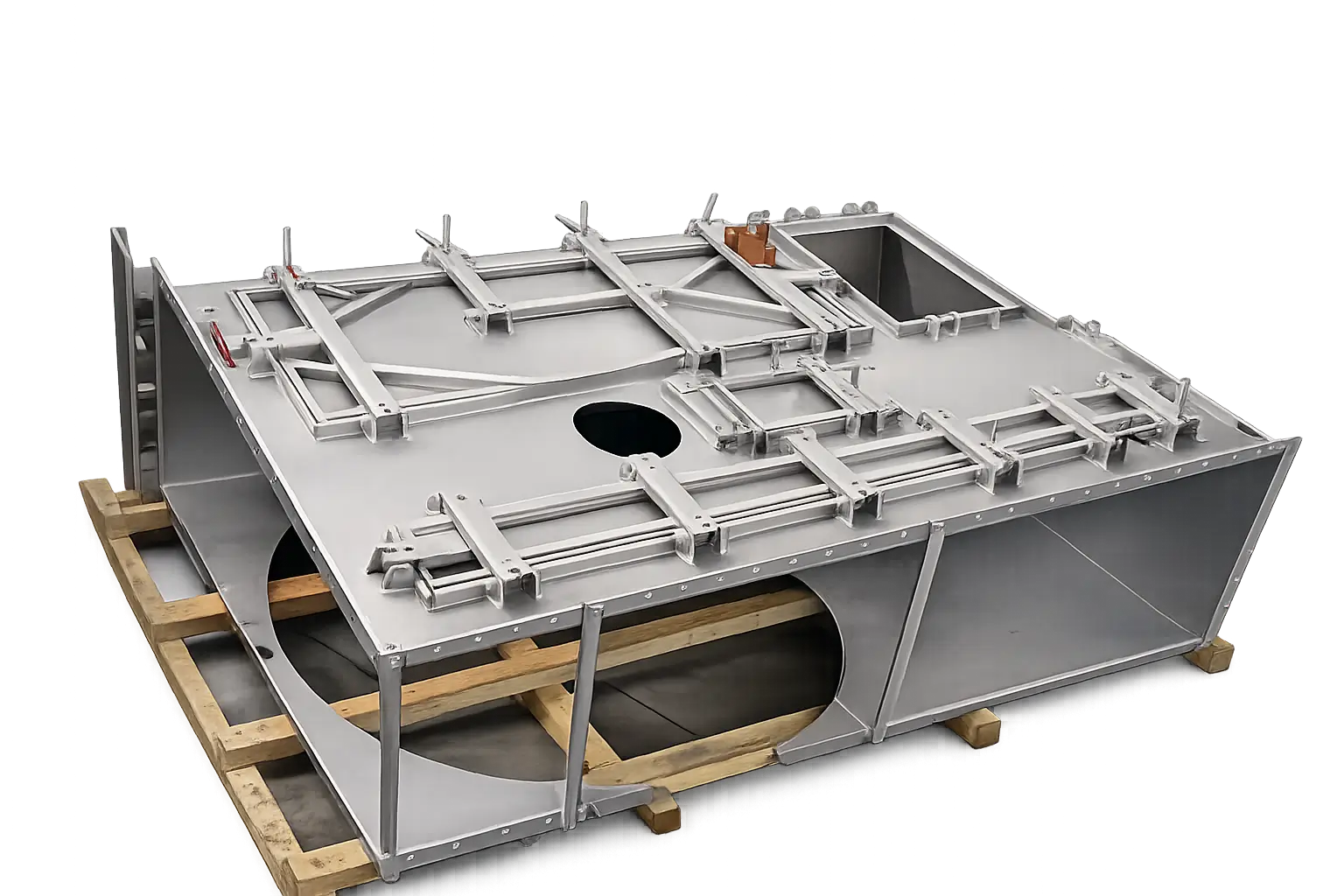
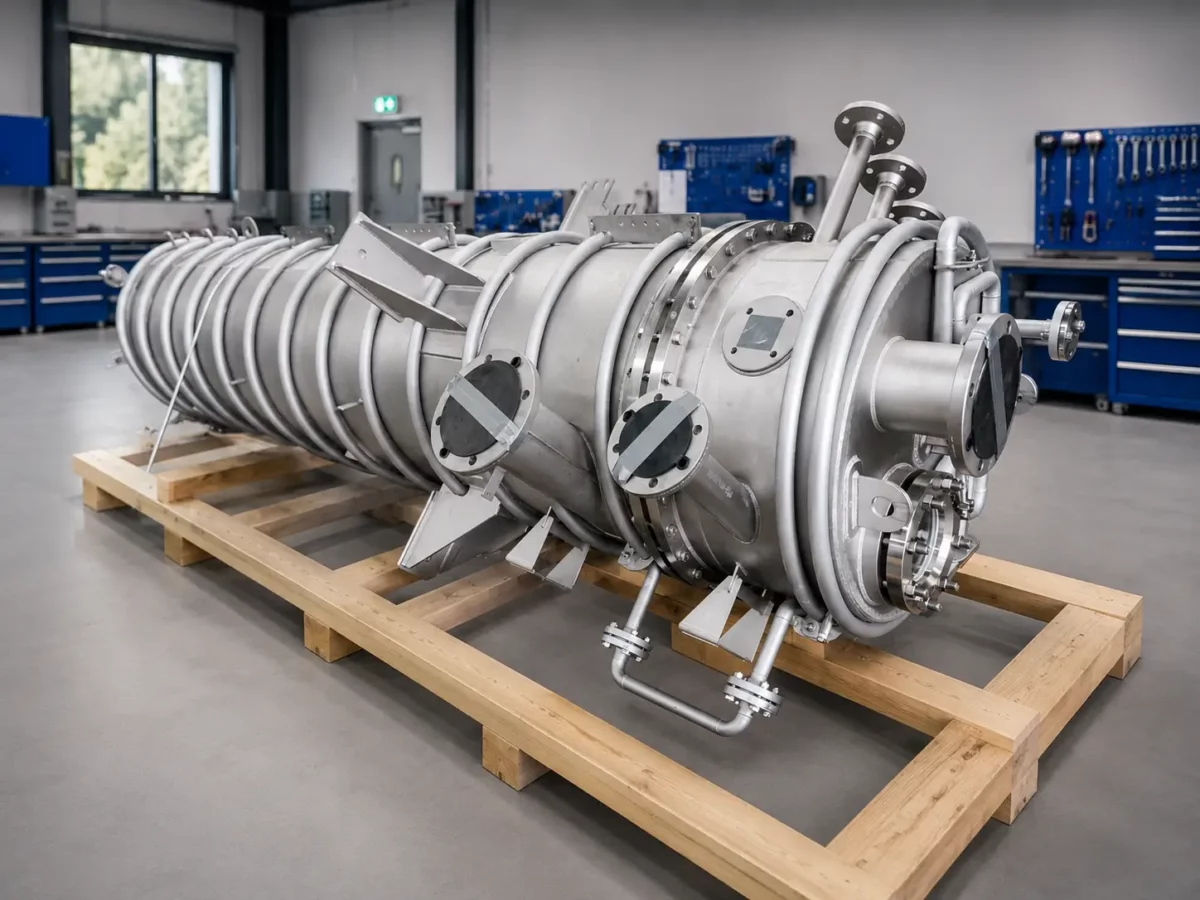
Hastelloy Pressure Vessel Manufacturing, Equipment Fabrication & Custom Manufacturingn
Pressure vessels, equipment, welded assemblies and individual Hastelloy components – manufactured according to drawings and project-specific requirements.
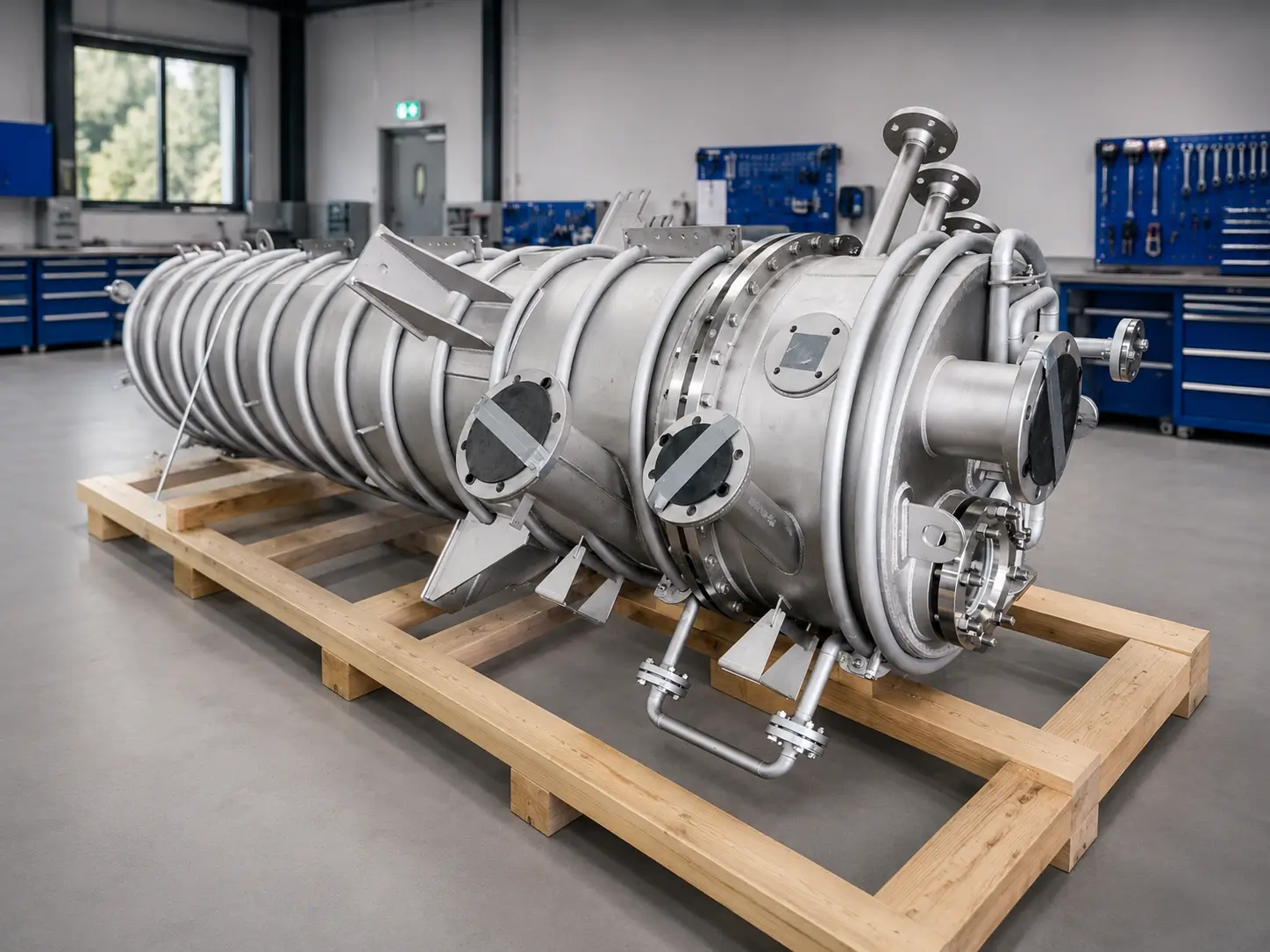
Hastelloy for Demanding Industrial Applications
Hastelloy is one of the highest-performing nickel-based alloys for industrial plant and equipment manufacturing and is ideally suited for applications in the chemical, pharmaceutical and process industries as well as in research and energy facilities.
Corrosion Resistant
Suitable for corrosive media and demanding process conditions.
Temperature Resistant
High temperature resistance for demanding operating conditions.
Excellent Weldability
Excellent weldability for components and complex assemblies.
Our Hastelloy Processing Capabilities
- Pressure vessels
- Equipment
- Piping and Piping Components
- Filters
- Welded assemblies
- Mechanical engineering components
- Housings and custom constructions
- Components for research facilities
- Contract manufacturing according to drawings
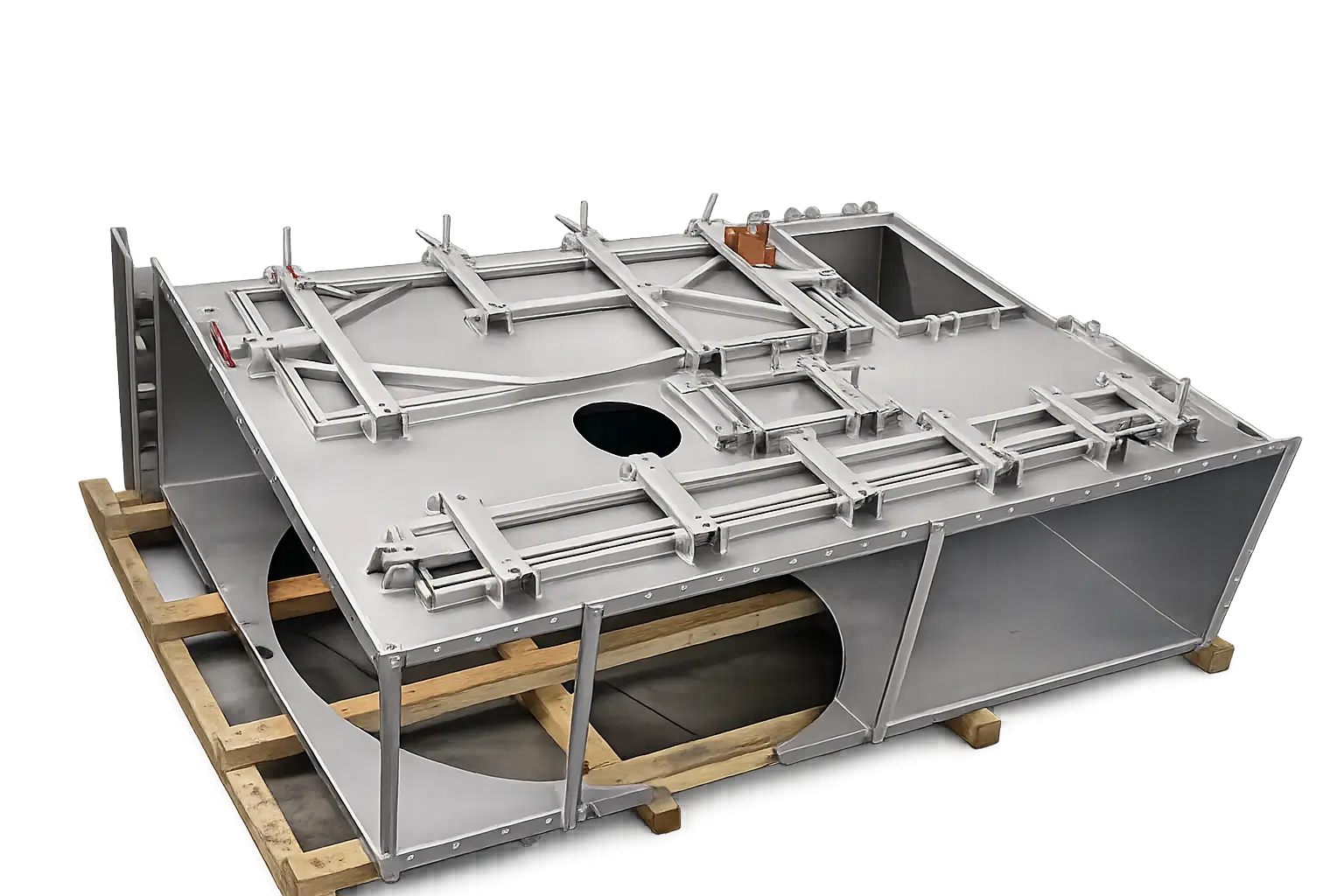
Filters and Filter Housings Made of Hastelloy
AVN manufactures filters, filter housings and related components made of Hastelloy according to drawings and project-specific requirements.
Hastelloy Piping and Piping Components
AVN manufactures Hastelloy piping and piping components according to drawings and project-specific requirements.
Tailor-Made Solutions for the Highest Technical Requirements
Every project places different demands on materials, manufacturing and documentation. AVN therefore does not produce standardised series products, but develops individual solutions precisely tailored to the intended application. From small precision components to equipment, we support our customers from material procurement through to the completed assembly.
Manufacturing According to Project-Specific Requirements
We manufacture pressure-retaining components in accordance with the project-specific requirements and applicable technical regulations, including:
Depending on the specification, we process materials with the required material approvals and the corresponding VdTÜV material data sheets. We also manufacture components outside the scope of pressure equipment legislation where no corresponding certification is required for their intended use. This ensures that our customers receive exactly the documentation their project requires – economically and according to their specific needs.
Hastelloy Machining and Welding
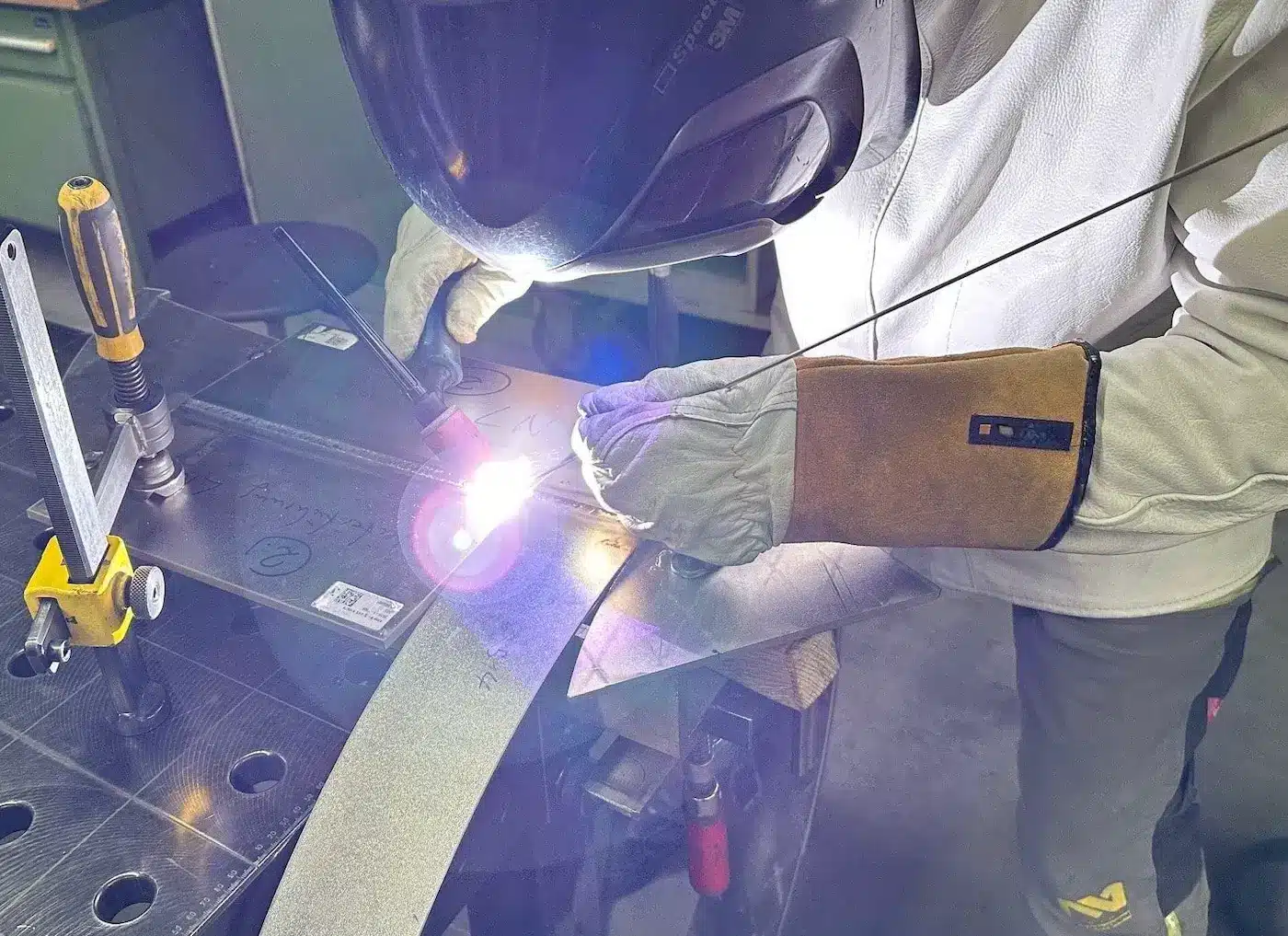
Machining and welding Hastelloy and other nickel-based alloys require specialized expertise in welding technology and manufacturing. AVN GmbH holds extensive welding WPS – Welding Procedure Specification for various nickel alloys and employs qualified welding specialists. This enables us to manufacture complex welded assemblies safely and reliably, even when the highest quality requirements apply.
Typical Applications for Our Hastelloy Components
Our products are used in industries including:
AVN GmbH – Expertise in Special Materials
AVN GmbH is your experienced partner for Hastelloy processing. Whether an individual component, welded assembly or complete pressure vessel, we offer comprehensive manufacturing expertise for demanding special materials and produce pressure vessels, equipment, housings and custom constructions as one-off products or in small series. We also provide contract manufacturing according to customer drawings. With extensive welding qualifications and many years of experience, we complete Hastelloy projects economically, precisely and reliably.
Frequently Processed Hastelloy Materials
Different Hastelloy grades are used depending on the application, medium and temperature. The following overview shows a selection of frequently used materials.
| Hastelloy | UNS | Material No. (EN/DIN) | VdTÜV Material Data Sheet | Typical Applications |
|---|---|---|---|---|
| Hastelloy B-2 | N10665 | 2.4617 | WB 436 | Hydrochloric acid, acetic acid and sulphuric acid in reducing media; chemical plants. |
| Hastelloy B-3 | N10675 | 2.4600 | WB 517 | Similar to B-2, but with improved thermal stability and better weldability. |
| Hastelloy C-4 | N06455 | 2.4610 | WB 424 | Chemical process engineering, heat exchangers and flue gas cleaning; high resistance after welding. |
| Hastelloy C-22 | N06022 | 2.4602 | WB 479 | Universal corrosion resistance to chlorides and oxidising agents, as well as applications in the pharmaceutical and chemical industries. |
| Hastelloy C-276 | N10276 | 2.4819 | WB 400 | Universal corrosion-resistant alloy for chemical plants, flue gas desulphurisation, offshore applications and the paper industry. |
| Hastelloy C-2000 | N06200 | 2.4675 | WB 539 | Resistant to sulphuric acid, hydrochloric acid and combined oxidising and reducing media. |
| Inconel 600 | N06600 | 2.4816 | WB 305 | Chemical industry, power plant engineering and industrial furnaces. |
| Hastelloy 59 | N06059 | 2.4605 | WB 505 | Process engineering, heat exchangers and flue gas cleaning; high resistance after welding. |
| Hastelloy X | N06002 | 2.4665 | - | Gas turbines, industrial furnaces, aerospace applications, combustion chambers and high-temperature components. |
Are You Planning a Project Using Hastelloy or Another Nickel-Based Alloy?
We will be pleased to advise you and work with you to develop the optimum solution – from technical design through to the completed assembly.
Phone: +49 (0) 6256 85885-0
Email: info@avn-gmbh.com